Key Takeaways
- Consumer demand for sustainable products is reshaping packaging and production strategies across the food and beverage sector.
- The adoption of cutting-edge technologies is reducing waste and energy consumption in manufacturing processes.
- Increasing government oversight mandates that manufacturers align operations with established sustainability regulations.
The food and beverage sector is rapidly transforming as sustainability becomes a fundamental concern for industry leaders. Manufacturers are feeling pressure not only to reduce environmental impact but also to meet the evolving expectations of eco-conscious consumers. This major shift influences everything from ingredient sourcing and logistics to packaging materials and facility design. Companies across markets, especially those working with specialized food and beverage construction companies, are investing in sustainable solutions to remain competitive and compliant in an increasingly regulated industry.
As eco-friendly values move to the forefront, manufacturing plants are responding with creative approaches in energy efficiency, recycling practices, and digital innovation. These moves are being closely watched by authorities and globally minded customers alike. The adoption of sustainability is not just a trend, but rather an industry-wide journey focused on long-term business resilience, reduced emissions, and greater transparency. From smart packaging to eco-forward supply chains, organizations are innovating for a cleaner, more responsible future. Companies that embrace sustainability not only gain market share but also contribute meaningfully to environmental stewardship.
Consumer-Driven Sustainable Packaging
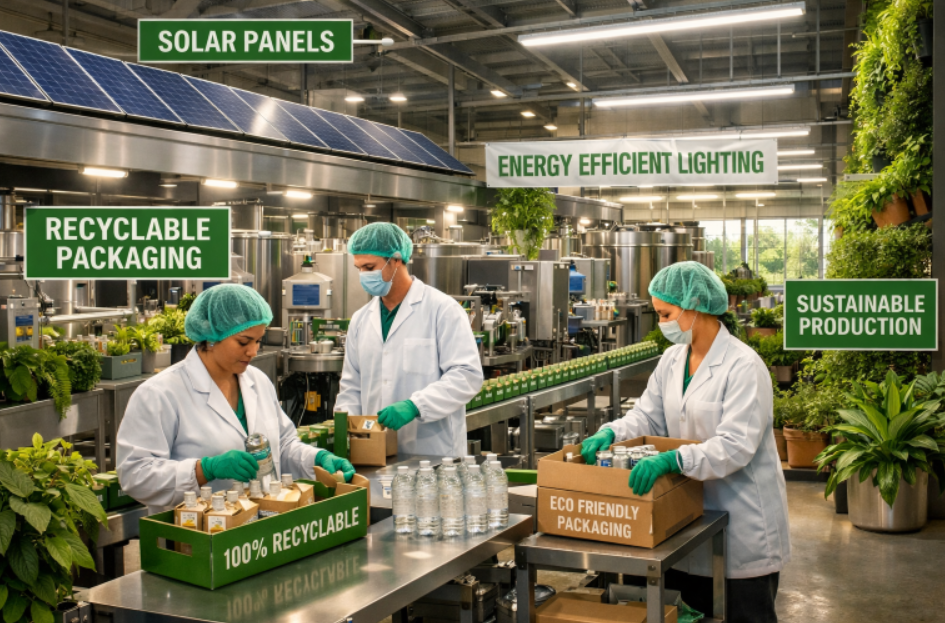
Modern consumers are increasingly mindful of the environmental consequences of single-use packaging and unsustainable materials. In response, the food and beverage industry is developing new packaging strategies that rely more on recycled content, compostable alternatives, and innovations such as edible packaging. Leading global brands are moving to products encased in fully recyclable or reusable containers, supporting the transition to closed-loop systems that keep valuable materials in use and out of landfills. These shifts are not merely aesthetic; consumer willingness to pay more for sustainable options means eco-packaging is now a powerful competitive advantage, influencing both brand loyalty and purchasing decisions.
Investment in more responsible packaging is accelerating, driven by emerging regulations and consumer activism. Many retailers and producers now offer take-back programs for hard-to-recycle items and clear information on eco-labels. For example, the push for compostable flexible films and bioplastics is gaining ground as companies track end-of-life impacts and pursue certifications for environmental standards. Continued momentum requires manufacturers to balance durability, shelf life, and product safety with ecological performance.
Technological Advancements in Eco-Friendly Production
Innovation in processing technologies is transforming food and beverage manufacturing into a more sustainable venture. Companies are leveraging automation, machine learning, and data analytics to minimize waste and improve operational efficiency. Digital twins, which simulate entire production lines, help forecast demand and optimize scheduling, preventing unnecessary resource use or spoilage. Sensors on the factory floor monitor real-time water, electricity, and ingredient use, presenting instant feedback so plant managers can quickly course-correct. These investments also drive compliance reporting as companies now document and measure every stage of the manufacturing lifecycle.
Additionally, the move toward renewable energy sources, such as solar arrays and biomass systems, is gaining speed in plant design. Modern facilities built by progressive food and beverage construction companies are integrating energy-efficient systems from the ground up. Installation of LED lighting, heat recovery technology, and advanced filtration further reduces energy consumption and costs. As part of a holistic sustainability strategy, manufacturers combine digital transformation with infrastructure upgrades for maximum impact.
Regulatory Influence on Sustainable Practices
Governments and international agencies are imposing new regulations to reduce plastic waste, curb greenhouse gas emissions, and mandate product traceability. For instance, the European Union has implemented ambitious targets under its Circular Economy Action Plan, requiring packaging to be recyclable or reusable by 2030. The United States Food and Drug Administration (FDA) and the Environmental Protection Agency (EPA) enforce strict compliance on waste management, ingredient transparency, and energy use. This trend is global, with countries such as Canada and Japan implementing bans or incentives to accelerate the adoption of sustainable manufacturing.
These regulatory changes are shifting sustainability from voluntary best practice to an operational imperative. Failure to comply often results in fines, restricted market access, or reputational damage. Companies that act proactively by integrating environmental, social, and governance (ESG) principles position themselves as industry leaders. They also gain access to government funding or preferential procurement programs geared toward responsible manufacturing.
Integrating Sustainability into Supply Chains
True sustainability goes beyond the factory walls and extends into every link of the supply chain. Leading manufacturers are tracing the provenance of their ingredients, investing in regenerative agriculture, and forming partnerships with local producers who share their values. These efforts enhance biodiversity, improve soil health, and reduce transportation emissions. Blockchain technology is also making supply chains more transparent, allowing companies to track every step from farm to fork and ensure ethical practices.
Diversifying supplier networks and embracing local sourcing not only reduces carbon footprints but also makes companies more resilient to global disruptions. By working closely with farmers and logistics providers, manufacturers ensure that their environmental commitments are transparent and verifiable. These actions build trust with consumers, regulators, and investors who increasingly demand evidence of progress toward sustainability goals. Large corporations are even offering educational programs and incentives to suppliers, encouraging widespread adoption of sustainable methods throughout the sector.
Future Outlook
The future of food and beverage manufacturing will be shaped by ongoing advancements in sustainability, technology, and regulatory compliance. Companies that adapt early by prioritizing responsible sourcing, green design, and circular business models will not only stand out in the marketplace but also secure long-term profitability. As climate change accelerates and resource scarcity intensifies, collaborative innovation between producers, suppliers, and technology partners will be essential. The industry is entering an era in which success is measured by both financial performance and a positive impact on the environment and society.