
Key Takeaways
- Get out of immediate danger and call 911 when emergency help is needed.
- Seek medical care promptly, even if pain or other symptoms seem minor at first.
- Report the incident, preserve evidence, and keep all records related to the injury.
- Use care when speaking with insurance representatives or considering a settlement.
- Review deadlines early because the rules can vary by incident type.
A serious injury can turn an ordinary day in Beaufort into a confusing and stressful experience. Whether the incident happens on a busy road near Boundary Street, at a workplace, in a store, on private property, or while enjoying the water around Port Royal Sound, the first priority is safety and medical care. A personal injury attorney in Beaufort, SC may also help an injured person understand options when the facts, insurance coverage, or responsibility are unclear.
This checklist offers practical steps for the hours, days, and weeks after an injury. It is not a substitute for advice from doctors, emergency personnel, insurers, or other qualified professionals. Still, staying organized can make it easier to focus on recovery while protecting important information before it disappears.
Why the First Few Days Matter
Shock and adrenaline can make an injury difficult to recognize at the scene. Someone may walk away from a collision or fall believing they are fine, only to develop headaches, stiffness, dizziness, swelling, numbness, or limited movement later that evening or over the next few days.
Early medical records can document what happened, when symptoms began, and what treatment was recommended. In Beaufort, changing coastal weather, rain-slick roads, fading daylight, tidal conditions, and heavy visitor traffic can quickly affect the scene. Witness memories fade, security footage may be overwritten, and a hazardous condition may be cleaned up or repaired.
It can also be difficult to remember small but meaningful details after an upsetting event. Writing down the time, location, sequence of events, names of people involved, and any statements made at the scene can help create a clearer record while those details are still fresh. Notes do not need to be formal; a dated entry in a phone, notebook, or email to yourself may be useful.
When a crash causes injuries or significant losses, car accident attorneys can review issues such as available evidence, insurance communications, and the effect of a collision on an injured person’s daily life.
Step 1: Get Safe and Call for Help
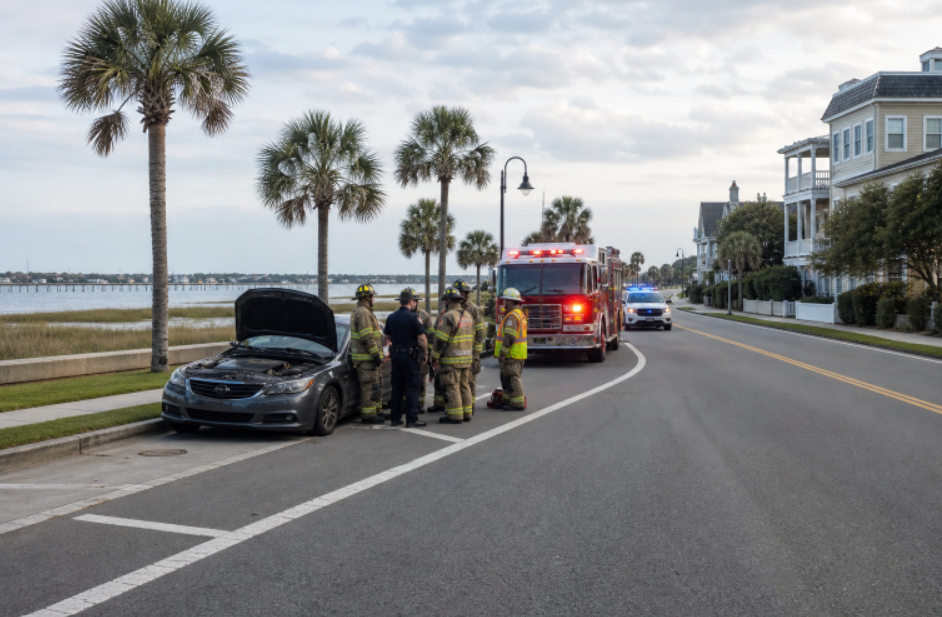
Move away from traffic, fire, water, unstable structures, or other immediate hazards when it is safe to do so. Call 911 if anyone has heavy bleeding, severe pain, trouble breathing, confusion, loss of consciousness, signs of a stroke, or another emergency symptom. Follow directions from police officers, firefighters, paramedics, or other first responders.
Avoid moving someone who may have a neck, back, or spinal injury unless remaining in place creates a greater danger. At a boating incident, for example, keeping people away from propellers, rough water, or another vessel may be urgent, but rescuers should be alerted as soon as possible.
If the incident involves a vehicle, use hazard lights or move to a safer nearby location only when doing so does not create additional risk and is permitted by responding authorities. Avoid arguing about blame at the scene. The immediate goal is to protect people from further harm and ensure that emergency responders have accurate information about anyone who needs help.
Step 2: Get Medical Care Without Delay
Medical evaluation matters even when symptoms appear manageable. Prompt attention is especially important for headaches, vomiting, dizziness, weakness, chest pain, breathing difficulty, abdominal pain, severe swelling, numbness, or pain that worsens after the incident. Tell the provider exactly what occurred, when it occurred, and when each symptom started.
Follow the treatment plan, attend follow-up visits, fill prescriptions as directed, and ask about therapy, specialist referrals, work restrictions, or warning signs that require further care. Medical decisions should always be made by a qualified health professional who can evaluate the person’s specific condition.
Bring a list of medications, known allergies, and relevant medical history when possible. If symptoms change between appointments, contact the provider rather than waiting until the next scheduled visit. Keep discharge instructions and referral information, since these documents can help injured people understand the next steps in their care.
Step 3: Report the Incident to the Right Person
The right report depends on where and how the injury occurred. After a vehicle collision, contact law enforcement when appropriate and request the incident or report number. For a fall at a restaurant, hotel, store, or rental property, notify a manager or property owner and ask that an incident report be created. Keep a copy if one is offered.
When making a report, stick to facts you personally know. Identify the location, date, time, condition or event involved, and visible injuries or property damage without speculating about causes that are not yet clear. If the report contains inaccurate information, make a note of the concern and retain any correspondence about efforts to correct it.
Employees should report a work injury to a supervisor, manager, or other authorized employer representative as soon as possible. The South Carolina Workers’ Compensation Commission explains that workers should report all injuries to an employer immediately, and its guidance describes separate notice and claim-filing requirements. Boating injuries may also need to be reported to the vessel operator, marina, law enforcement, or the appropriate authority.
Step 4: Preserve Useful Evidence
Only collect evidence when it can be done safely. Take photos or video of vehicles, property conditions, visible injuries, damaged clothing, safety gear, equipment, lighting, road markings, warning signs, spills, weather, and anything else that may help explain what happened. Do not edit original images or discard damaged property before documenting it.
Get witness names and contact information. Save dashcam footage, phone videos, text messages, app records, receipts, and relevant emails. If a business, condominium association, or marina may have surveillance video, make a timely request that the footage be preserved before routine deletion removes it.
Photographs are often most helpful when they show both the overall setting and close-up details. For example, take wider images showing the layout of a parking lot or walkway, then closer images of a pothole, a broken handrail, a damaged vehicle panel, or a wet floor. Preserve originals with their dates and avoid relying solely on screenshots, which may omit useful file information.
Step 5: Build a Simple Injury File
A single paper binder or secure digital folder can reduce stress later. Include medical records, itemized bills, prescriptions, therapy expenses, appointment notes, travel mileage, parking receipts, and receipts for medical equipment or household help.
Also, save pay stubs, employer communications, missed-work records, insurance letters, claim numbers, emails, and notes from every phone call. A daily symptom log can be useful for recording pain levels, sleep disruption, mobility limits, missed activities, and changes in the ability to work or care for family members.
For phone calls, record the date, the organization, the representative’s name, a claim or reference number, and a short summary of what was discussed. Back up digital files in more than one secure location. Keeping records in date order can make it easier to identify missing bills, upcoming appointments, and unresolved questions.
Step 6: Use Care with Insurance Communications
Notify the appropriate insurer promptly if the policy requires it, but keep early conversations accurate and brief. Provide basic facts without guessing about fault, the full extent of injuries, future treatment, or how long recovery will take. If asked to give a recorded statement or sign a broad authorization, consider the implications before agreeing.
A fast settlement may not account for future medical care, lost income, rehabilitation, or lasting limitations. Do not assume that an initial offer reflects the complete impact of a serious injury.
Read every document before signing it, including medical authorizations, releases, repair estimates, and settlement paperwork. Ask for a copy of any document provided electronically or in person. If a deadline is stated in a letter or email, calendar it promptly so that important correspondence is not overlooked during treatment and recovery.
Step 7: Track Financial Losses and Deadlines
Separate current bills from costs that may continue. Expenses can include emergency care, follow-up visits, medication, therapy, transportation, mobility equipment, home modifications, and assistance with routine tasks. Lost income may involve missed shifts, reduced hours, lost opportunities, or reduced ability to perform a prior job.
Deadlines also matter. South Carolina law generally provides a three-year period for many injury claims, but exceptions and different procedures can apply, including for medical treatment claims, government-related matters, and workers’ compensation cases. The state’s civil limitations statute shows why no one should assume that every claim follows the same timeline.
Keep copies of estimates and invoices for property damage, replacement items, and services needed because of the injury. Calendar medical appointments, work deadlines, insurer requests, and any legal filing dates that may apply. Reviewing timelines early can help avoid last-minute decisions when records are harder to obtain.
Protect Privacy and Avoid Common Mistakes
Limit detailed social media posts about the incident, treatment, travel, or physical activity. Privacy settings can help, but they do not guarantee that content will remain private or be understood in context. Save evidence privately and preserve original files.
Common mistakes include delaying medical care, stopping treatment without speaking to a provider, failing to report the incident, throwing away damaged evidence, admitting fault, ignoring mail from insurers, or accepting money before the medical picture is clear.
It is also wise to be cautious about informal conversations with people who were not present, including comments made in public online forums. A person can honestly feel better for part of a day while still having meaningful injuries or treatment needs. Keeping communications measured and factual helps avoid misunderstandings.
Frequently Asked Questions
Should medical care come before collecting evidence?
Yes. Safety and medical attention come first. A witness, family member, or investigator may be able to document the scene when the injured person cannot do so safely.
What if symptoms appear days later?
Contact a medical provider and explain when the symptoms began. Delayed symptoms do not automatically prove or disprove a claim, but clear medical documentation can be important.
What if the injured person cannot manage paperwork?
A trusted family member can help organize records, calendar appointments, and save communications. Written permission may be necessary before another person can discuss medical information or insurance matters.
Final Checklist
- Get safe and call 911 when needed.
- Seek prompt medical care and follow treatment instructions.
- Report the incident and obtain the report details.
- Photograph conditions and preserve records.
- Save bills, receipts, wage information, and insurance communications.
- Be careful with statements, releases, and quick settlement offers.
- Review applicable deadlines before valuable options are lost.


